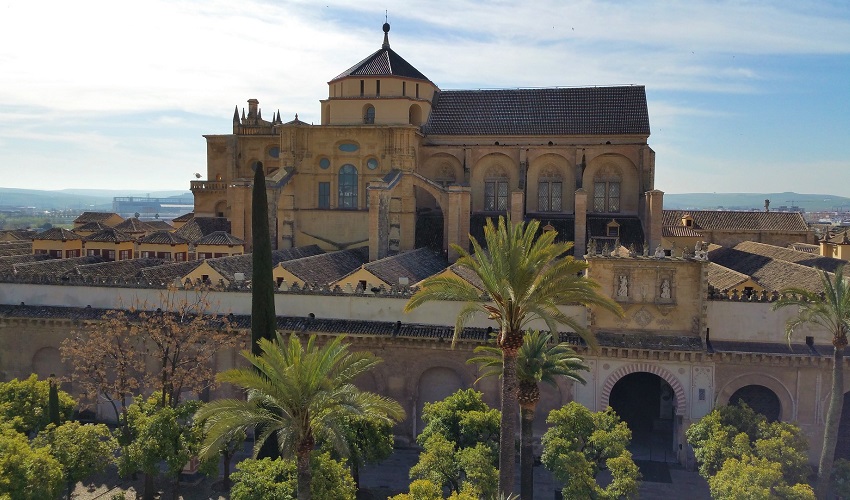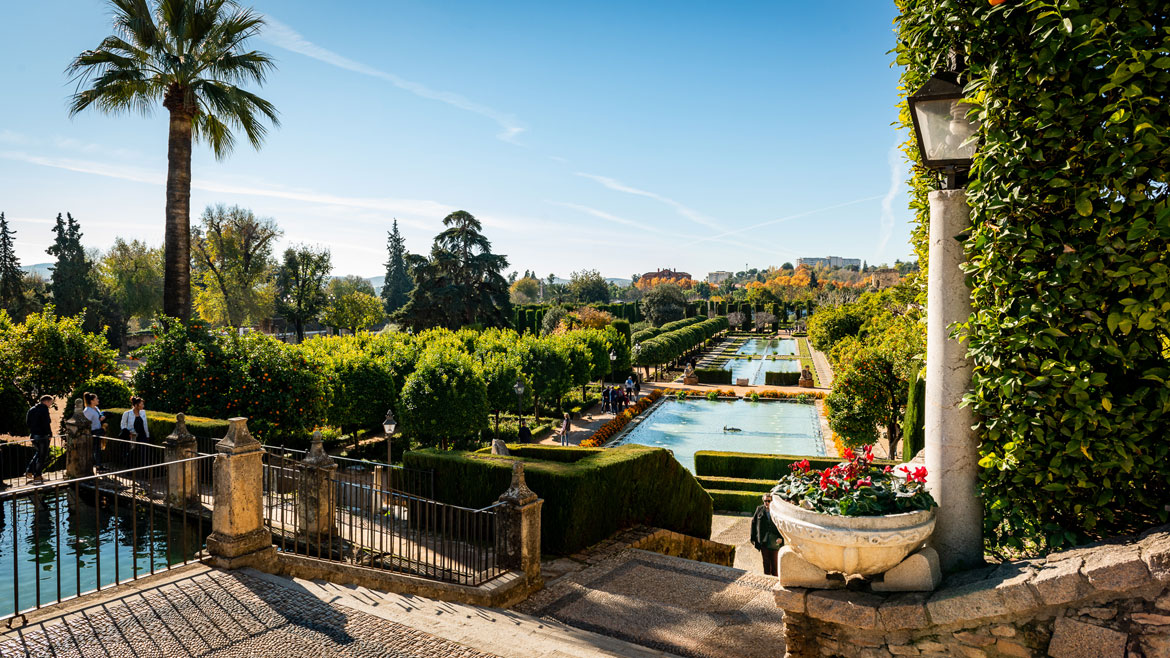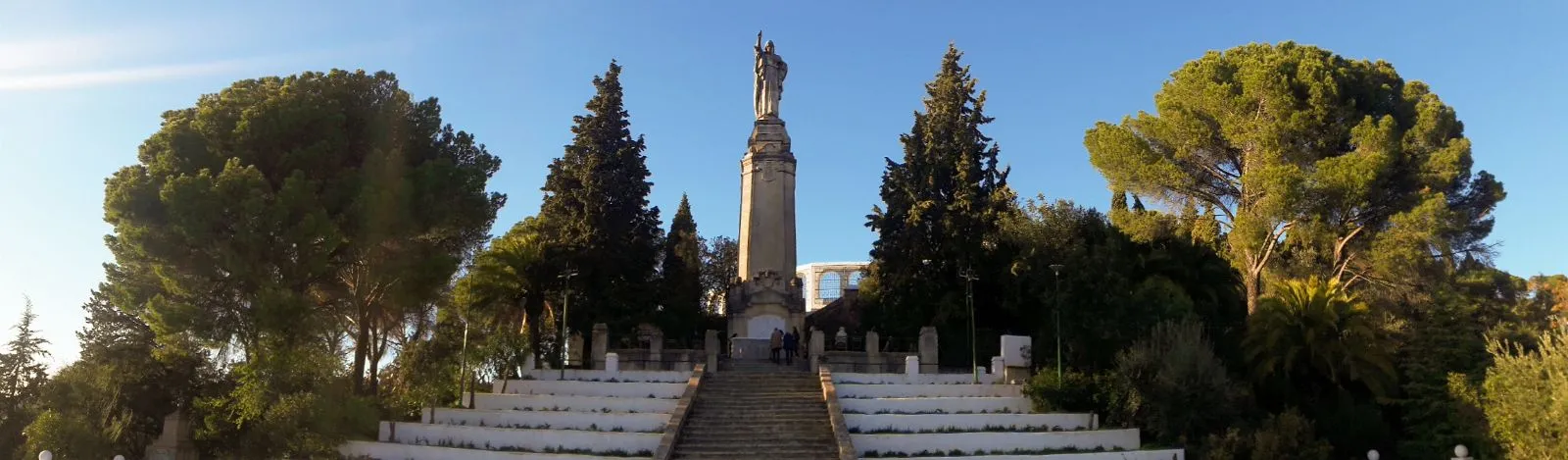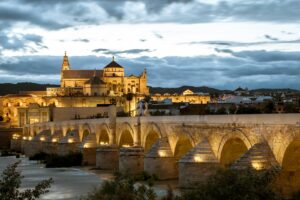
Córdoba is a city where culture is not only preserved — it is lived every day. Its traditions, festivals and gastronomy reflect centuries of history shaped by Roman, Islamic and Christian influences. Every street, every dish and every celebration tells a story.
Traditional Gastronomy
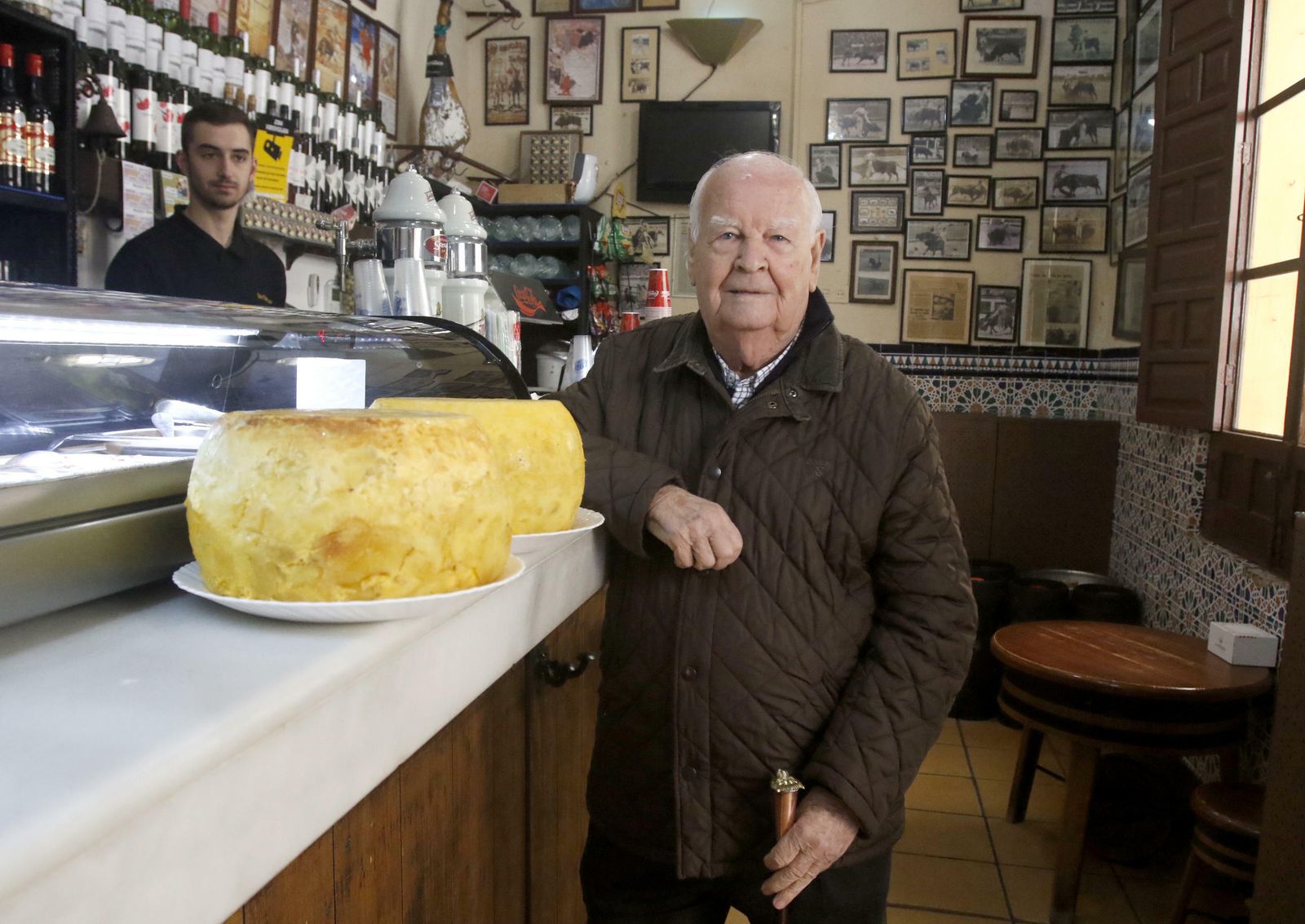
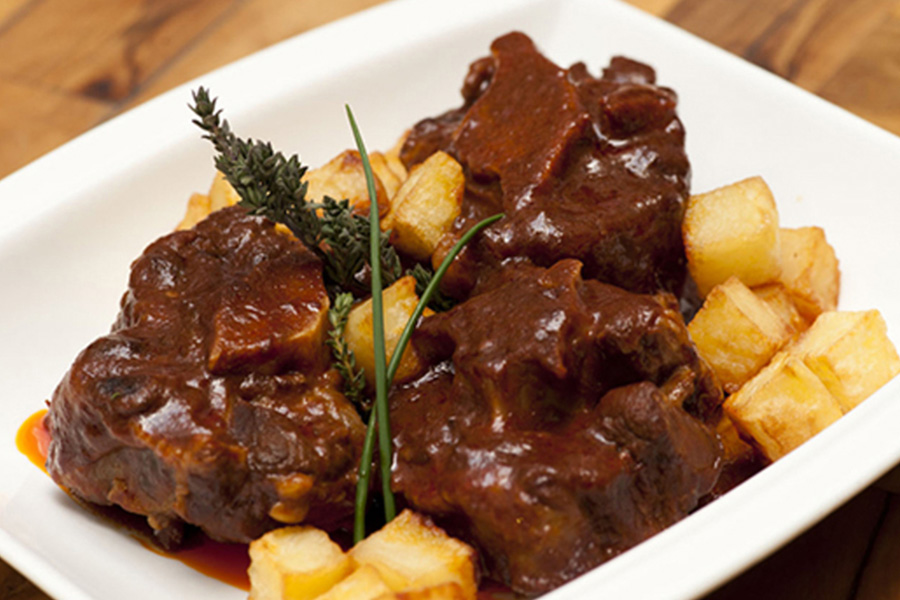
Food in Córdoba is simple, authentic and deeply rooted in local traditions. Olive oil, produced in the surrounding Andalusian countryside, plays a key role in almost every dish.
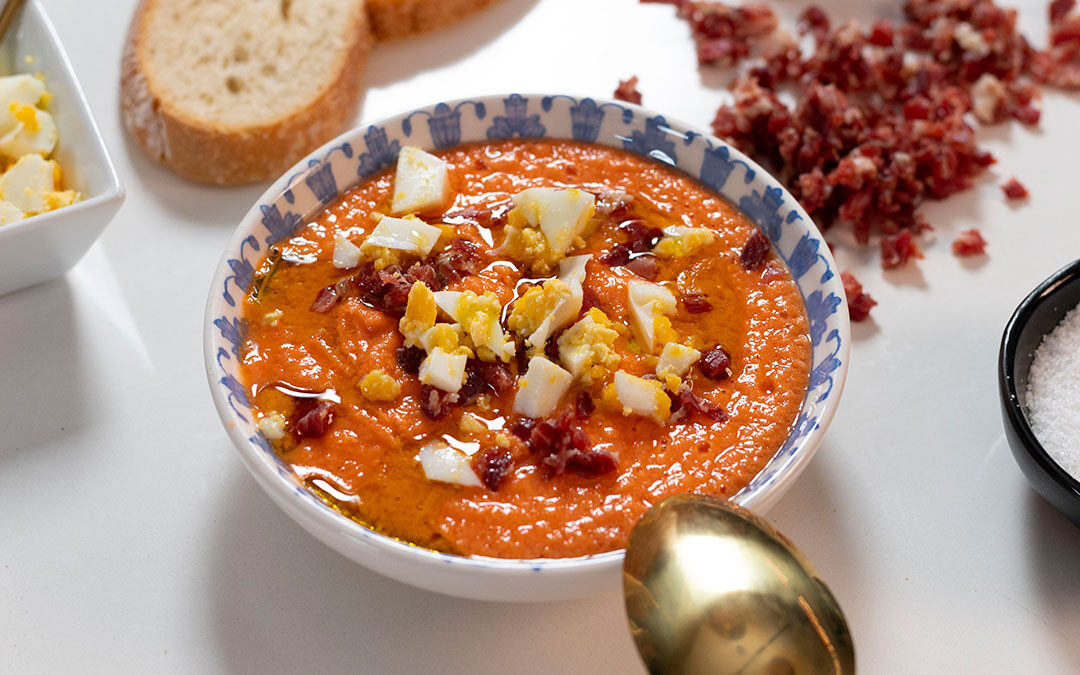
Among the most iconic specialties is salmorejo, a creamy cold tomato soup made with bread, garlic and extra virgin olive oil, usually topped with boiled egg and Iberian ham. Another popular dish is flamenquín, a crispy roll of pork filled with ham, representing the richer side of local cuisine.
Visitors can also enjoy grilled meats, traditional stews and a wide variety of tapas served in small taverns across the historic centre. Eating in Córdoba is not just about food — it is about sharing moments and experiencing the local way of life.Food in Córdoba is simple, authentic and deeply connected to local ingredients. Olive oil, produced in the surrounding Andalusian countryside, plays a central role in almost every dish.
Traditional Dishes of Córdoba


Festivals and Traditions
Córdoba is a city where traditions are not only preserved, but truly lived. Throughout the year, festivals fill the streets with colour, music and emotion, offering visitors a unique cultural experience.
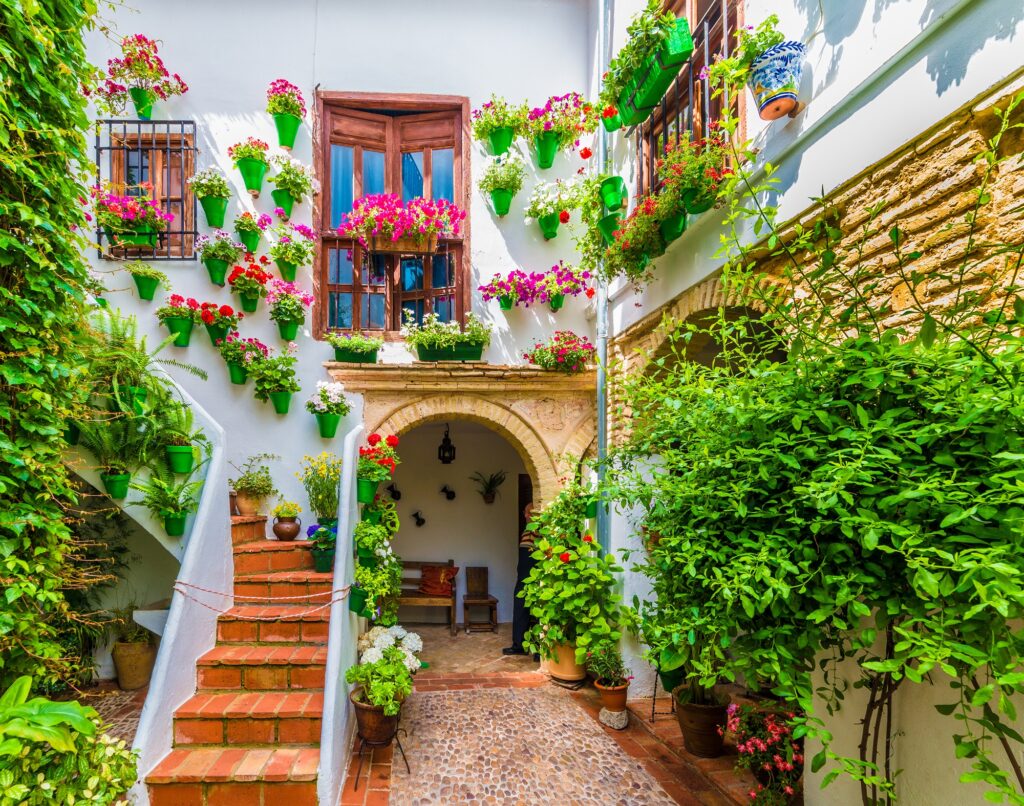
One of the most famous events is the Patios Festival, celebrated every May. During this time, residents open their beautifully decorated courtyards to the public, showcasing flowers, fountains and traditional Andalusian design. This tradition has been recognized by UNESCO as Intangible Cultural Heritage.
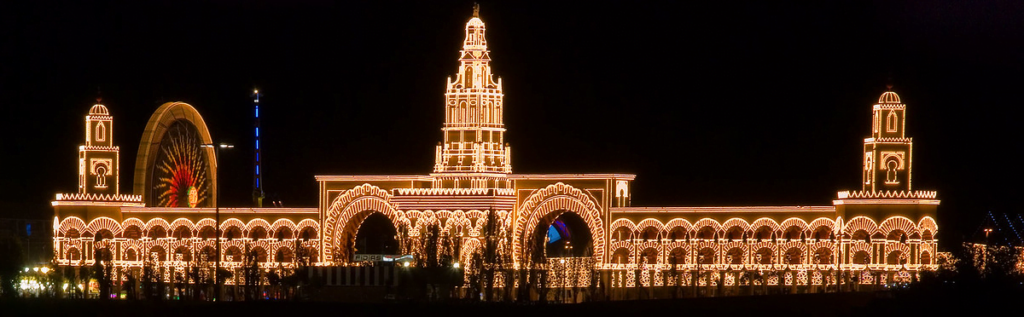
Another highlight is the Feria de Córdoba, a lively week-long celebration with music, flamenco dancing and traditional dress. Locals gather in decorated tents to enjoy food, drinks and a festive atmosphere that lasts day and night.
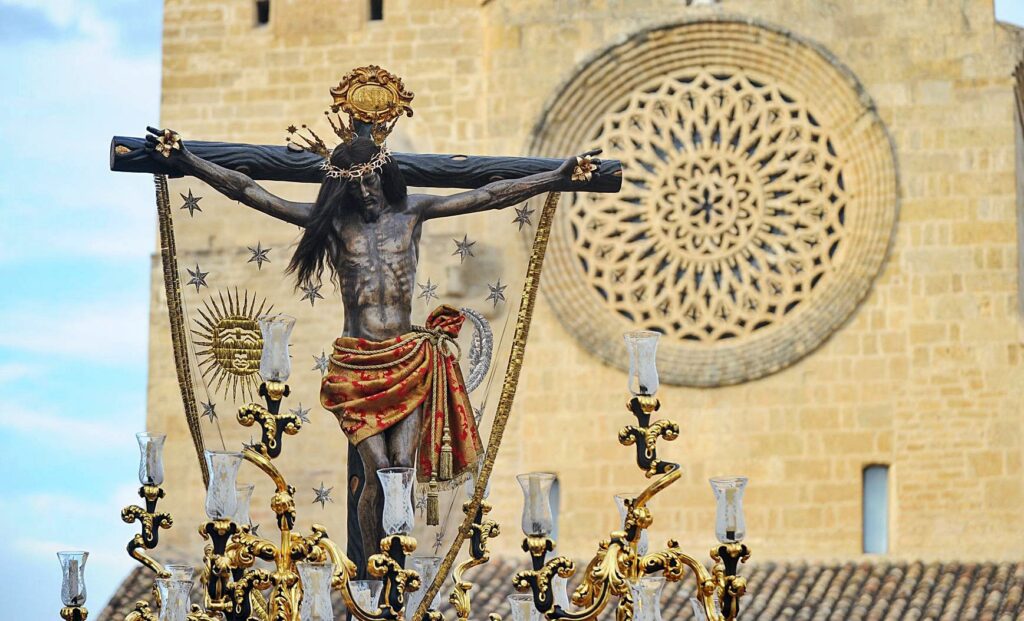
Holy Week (Semana Santa) is one of the most powerful events in the city. Large, beautifully decorated floats known as pasos are carried through the city by groups of devoted members. These floats display detailed religious sculptures representing scenes from the Passion of Christ. The processions are accompanied by dramatic music, candles and traditional robes, creating an atmosphere of deep reflection and emotion.